top of page
Artistic Practice


Why Some Works Should Remain Unresolved
On tension, incompletion, and the limits of finishing There is a moment in every process where the work begins to ask for closure. Not because it is complete, but because we are no longer comfortable holding it open. The uncertainty starts to weigh. The ambiguity becomes difficult to justify. What once felt alive begins to feel unstable. So we move toward resolution. We refine. We adjust. We clarify. We try to bring the work into a state that can be understood, explained, and

RND Culture
Mar 303 min read


What We Carry When We Don’t Create
Why we build, and why it hurts when we don’t There is a particular kind of discomfort that is difficult to name, not sharp enough to be called pain, not urgent enough to demand immediate attention, yet persistent enough to alter how we move through the day. It sits quietly in the background, almost invisible, until you notice that your thoughts are looping, your attention drifting, your energy slightly misaligned. It is not anxiety in the conventional sense. It is not tied to
RND Culture
Mar 304 min read


The Tension Inside Every Creative Practice
On structure, impulse, and learning to inhabit contradiction Within every sustained creative practice, there is a tension that is rarely articulated with precision. It is often misdiagnosed as inconsistency, lack of discipline, distraction, or creative block. Yet it is none of these. It is the simultaneous presence of two forces that operate from different psychological and existential needs. On one side, there is the part that organizes. The one that depends on structure, ro
RND Culture
Feb 123 min read


Authenticity Is Not an Aesthetic
Creating from Inner Experience in an Age of Simulation In recent years, authenticity has become a recognizable aesthetic category. It appears in specific visual codes, the raw, the unfinished, the intimate shared without visible polish. It is associated with vulnerability, with confessional tones, with work that appears stripped of artifice. But once authenticity becomes stylistically identifiable, it changes. It stops being a condition and begins functioning as a device. Thi
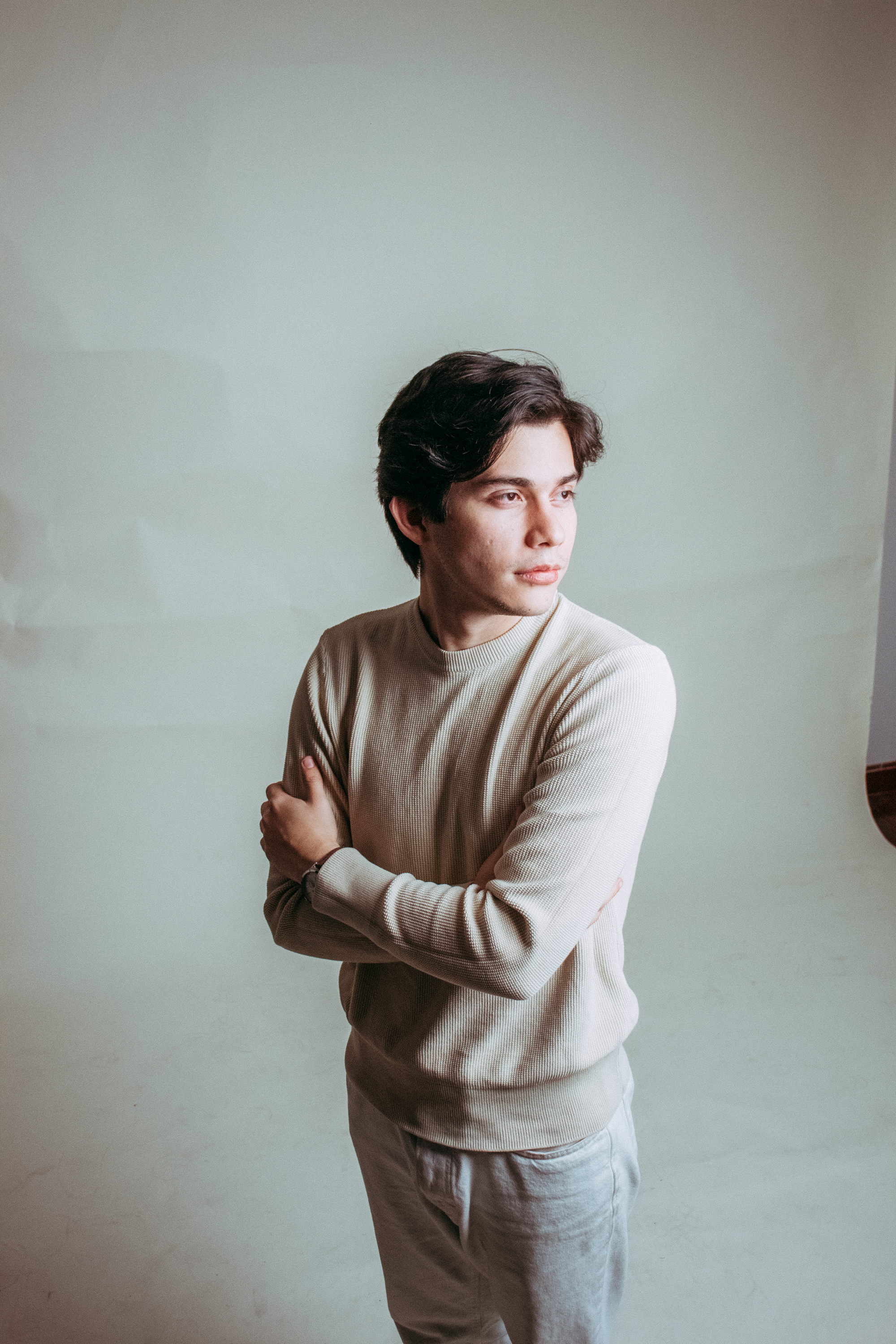
Diego Mejia
Feb 123 min read
bottom of page